Term Plan for Salaried
Buy Online
Term Insurance
Term Plan for Salaried
Buy Online
Term Insurance

The average Indian salaried employee saves less than they think, and spends more than they track. You get your salary, pay your bills, and by the end of the month, there's barely anything left to save. It's not because you earn too little. It's because saving comes last instead of first. Downloading a budgeting app won't fix your savings. Using it the right way will. This guide will discuss how to save money online by flipping that order, using apps and strategies built for how Indians actually spend.
By submitting your details, you agree to PNB MetLife's Privacy Policy and authorize PNB MetLife and/or its authorized service providers to verify the above information and/or contact you to assist you with the policy purchase and/or servicing. You have the option to opt-out of this contact authorization by un-checking the box. The authorization provided by you herein will supersede all earlier authorizations/registrations made by you in this regard.
A lot of people download budgeting apps every year. However, most stop using them within 30 days. Why? Because they treat the app as the strategy. It's not. The app is just a tool, like a hammer. A hammer doesn't build a house on its own.
The real problem usually looks like this:
Here are some steps or things you should follow that will help you save money effectively, regardless of your income:
Before you even open an app store, sit down and write one number. Not "I'll save whatever is left." An actual figure
Try this simple formula that works well for salaried Indians:
If you earn ₹50,000 a month, that's ₹10,000 going into savings and investments before you touch a single rupee for shopping or eating out. This is sometimes called "paying yourself first," and it's the single biggest reason automated savings beats manual saving every single time.
If 20% feels impossible right now, start at 10%. Something beats nothing. You can raise it every time you get a hike or a bonus. Small, steady increases matter more than one heroic month of saving followed by three months of giving up.
This is where learning how to save money online actually becomes powerful. The moment your salary lands, automation should kick in without you lifting a finger.
Here's a sequence that works well:
The trick is timing. Most people save whatever is left at the end of the month, and there's usually nothing left. Flip the order. Save first, spend what remains.
If you're exploring where that automated money should actually go, comparing different investment plans side by side before you commit is worth the extra ten minutes. Don't just pick whatever your bank pushes on you.
You don't need fifteen apps. You need three or four that each do one job really well.
A lot of advice stops at "just save more." That's not really useful advice, is it? What you need is a structure, a place for every rupee to go.
Here's a bucket system that works well for most Indian earners:
Six months of essential expenses, sitting in something liquid like a savings account or a liquid mutual fund. This is not for investing. This is for when life throws a curveball, a job loss, a medical bill, or a broken laptop you desperately need for work.
Vacations, a new phone, wedding expenses, and a course you want to take. Recurring deposits or short-duration debt funds work well here since you don't want market risk on money you'll need soon.
This is where equity mutual funds through SIPs really shine. Time is on your side here, so short-term market dips barely matter.
Often, the most ignored bucket, especially by people in their 20s and 30s who think retirement is decades away (it always feels that way, until it doesn't). A dedicated retirement plan started early does something almost magical with compounding; even small monthly amounts turn into large sums given enough time.
Insurance isn't a separate topic from saving. It's the shield that protects everything you've built.
Think about it this way. You spend years disciplined with SIPs and recurring deposits. Then one medical emergency hits, and without health insurance, you're forced to break your fixed deposit or sell your mutual fund units at a bad time. All that discipline, undone in a week.
If you're weighing whether a ULIP fits your situation, compare the charges, the lock-in period, and the fund options carefully. It's not a one-size-fits-all product, but for the right person, it does double duty nicely.
There's also a tax angle here. Premiums on qualifying insurance products can bring deductions under Section 80C of the Income Tax Act, under the old tax regime. That's savings on two fronts at once: protection today, and a lower tax bill.
A few habits sneak up on people without them realising it:
None of these is a dramatic mistake. That's exactly why they're dangerous. Small leaks sink big ships.
Instead of overhauling your entire financial life in one weekend (which never lasts), try this lighter weekly habit:
This kind of light, repeated check-in beats one massive budgeting session every month. Consistency wins over intensity, every single time.
Learning how to save money online isn't about downloading every finance app you can find. It's about picking a few that do specific jobs well, automating the boring parts, and building a structure so every rupee has a purpose.
Combine that with the right mix of investment plans, a clear savings plan, a properly funded retirement plan, and insurance products like ULIPs where they make sense, and you've got a system that works quietly in the background while you get on with your life.
Start small if you have to. Just start. The habit matters more than the amount, at least in the beginning. Six months from now, you'll be glad you did.
Generally, yes if the app is RBI-regulated or UPI-based. But only link apps you actually use weekly, and revoke access for the rest from your settings.
Anchor it to invoices instead of a salary date. The moment payment lands, move a fixed percentage outright away, no exceptions.
It just skips that month; your SIP doesn't get cancelled. You may get a small bounce charge, so keep a little buffer near the debit date.
Not for saving. Wallets earn no interest, so move extra balance back to your bank or a liquid fund, and keep only spending money in the wallet.
Look for SEBI or RBI registration, usually listed on the app's website, and check if it has real customer support, not just a chatbot.
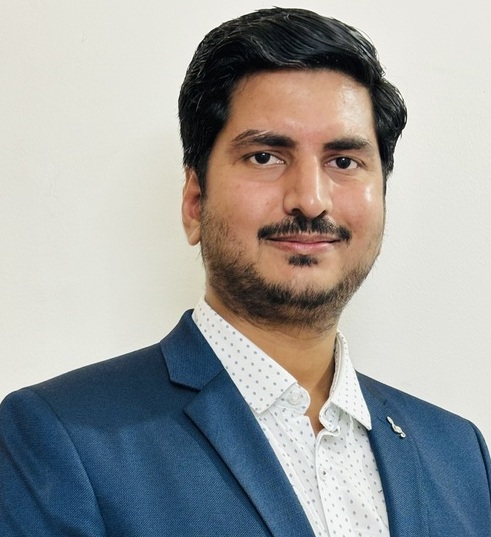
Piyush Kataria, SEO Manager at PNB MetLife, is a seasoned digital marketing strategist with over a decade of experience in optimizing websites for search engines. His expertise extends to keyword research, content strategy, technical SEO, and link building, all of which have been instrumental in driving organic traffic growth at PNB MetLife. With a strong foundation in life insurance, Piyush leverages his industry knowledge to create targeted and effective SEO campaigns.


Sakshi Malhotra is a seasoned marketing professional associated with the Life Insurance industry since 2007. At PNB MetLife, she heads Digital Marketing and Direct to Customer line of business. She is responsible for driving effective customer engagement through the company’s website and social media channels. In addition, she drives customer online buying journeys to help them buy the right product.
Disclaimer:
The aforesaid article presents the view of an independent writer who is an expert on financial and insurance matters. PNB MetLife India Insurance Co. Ltd. doesn’t influence or support views of the writer of the article in any way. The article is informative in nature and PNB MetLife and/ or the writer of the article shall not be responsible for any direct/ indirect loss or liability or medical complications incurred by the reader for taking any decisions based on the contents and information given in article. Please consult your financial advisor/ insurance advisor/ health advisor before making any decision.
PNB MetLife India Insurance Company Limited
Registered office address: Unit No. 701, 702 & 703, 7th Floor, West Wing, Raheja Towers, 26/27 M G Road, Bangalore -560001, Karnataka
IRDAI Registration number 117 | CIN U66010KA2001PLC028883
For more details on risk factors, please read the sales brochure and the terms and conditions of the policy, carefully before concluding the sale.
Tax benefits are as per Income Tax Laws in force & are subject to amendments made thereto from time to time. Please consult your tax consultant for more details.
Goods and Services Tax (GST) if applicable, levied at prevailing rate subject to change from time to time.
The marks "PNB" and "MetLife" are registered trademarks of Punjab National Bank and Metropolitan Life Insurance Company, respectively. PNB MetLife India Insurance Company Limited is a licensed user of these marks.
Call us Toll-free at 1-800-425-6969, Website: www.pnbmetlife.com, Email: indiaservice@pnbmetlife.co.in or Write to us: 1st Floor, Techniplex -1, Techniplex Complex, Off Veer Savarkar Flyover, Goregaon (West), Mumbai – 400062, Maharashtra.
| Beware of Spurious Phone Calls and Fictitious / Fraudulent Offers! IRDAI or its officials is not involved in activities like selling insurance policies, announcing bonus or investments of premium. Public receiving such phone calls are requested to lodge a police complaint. |
 Get Trusted Advice
Ask khUshi

Hi! I’m khUshi. How can I help you?