Term Plan for Salaried
Buy Online
Term Insurance

Everyone wants to know the secret of how to become rich in India. Truth is, there is no secret. There is no magic formula either. What there is is a set of habits and choices that, when followed with patience, actually work. Most people who ask how to be rich in India are looking for a shortcut. But wealth doesn't work like that. It builds slowly, quietly, and then all of a sudden you look up and realise you have actually made it.
By submitting your details, you agree to PNB MetLife's Privacy Policy and authorize PNB MetLife and/or its authorized service providers to verify the above information and/or contact you to assist you with the policy purchase and/or servicing. You have the option to opt-out of this contact authorization by un-checking the box. The authorization provided by you herein will supersede all earlier authorizations/registrations made by you in this regard.
This guide is not going to give you vague motivational advice like "save more, spend less." You already know that. Instead, we are going to break down exactly how to create wealth using strategies that regular Indians, not just business tycoons, are using every single day. Whether you earn 25,000 a month or 2.5 lakh a month, these principles apply to you.
India has more high-paying jobs today than it ever did: IT salaries, MNC packages, startup ESOPs, and yet, a huge chunk of people earning well still feel broke by the end of the month. If you've ever wondered why that happens, you're not alone.
The truth is, earning well and building wealth are two completely different games. One is about income, the other is about behaviour.
The Usual Traps People Fall Into
None of the wealth building strategies ahead will work if these habits stay unchanged. It's a bit like trying to fill a bucket that has holes in it, doesn't matter how much water you pour, it won't fill up.
Here are some expert-recommended and proven wealth building strategies to become rich in India:
| Income Stream | Effort Required | Time to See Returns |
|---|---|---|
| Freelancing | Medium | 1-3 months |
| Stock dividends | Low (after investing) | 1-2 years |
| Rental property | High initial capital | Immediate, but slow growth |
| Side business | High | 6 months - 2 years |
| Approach | Success Rate |
|---|---|
| "I'll save whatever is left" | Low, most people fail |
| Automated SIP on salary day | High, consistent results |
So, how to become rich in India? It comes down to starting early, staying consistent, diversifying wisely, protecting what you build, and giving your money time to grow. None of these ten strategies is complicated on its own. The difficulty is in sticking with them, month after month, year after year.
Building wealth comes down to structure, not luck. And that structure only holds up when the right financial products support it, insurance protecting your family, investments growing your money, retirement plans securing what comes later.
PNB MetLife has a range of savings plans built for Indians at different life stages, covering everything from term insurance to long-term savings and investment options. Take a look at what PNB MetLife offers and start moving toward real financial security.
There isn't one. What comes closest is investing consistently in equity mutual funds or stocks over many years, along with building more than one source of income.
Not much at all. A SIP can begin with just 500 rupees a month. Starting small and scaling up beats waiting around for a big lump sum that may never come.
It can be, yes. But it demands heavy capital and doesn't sell quickly when you need cash. Treat it as one piece of a wider portfolio rather than your entire strategy.
Saving, at its core, is about keeping your money safe. It usually just sits in a bank account somewhere, earning next to nothing. Investing is a different animal entirely, it means putting that money into stocks, mutual funds, or similar assets, ones that come with some risk attached, but also real room to grow.
It lowers the tax you legally owe, plain and simple. That leftover money keeps compounding in your investments instead of quietly disappearing every year.
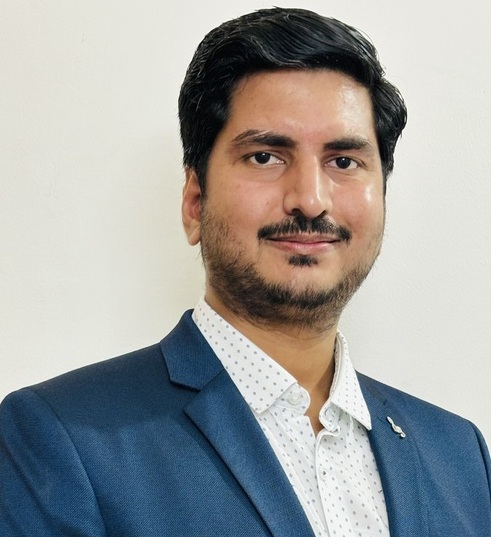
Piyush Kataria, SEO Manager at PNB MetLife, is a seasoned digital marketing strategist with over a decade of experience in optimizing websites for search engines. His expertise extends to keyword research, content strategy, technical SEO, and link building, all of which have been instrumental in driving organic traffic growth at PNB MetLife. With a strong foundation in life insurance, Piyush leverages his industry knowledge to create targeted and effective SEO campaigns.


Sakshi Malhotra is a seasoned marketing professional associated with the Life Insurance industry since 2007. At PNB MetLife, she heads Digital Marketing and Direct to Customer line of business. She is responsible for driving effective customer engagement through the company’s website and social media channels. In addition, she drives customer online buying journeys to help them buy the right product.
Disclaimer:
The aforesaid article presents the view of an independent writer who is an expert on financial and insurance matters. PNB MetLife India Insurance Co. Ltd. doesn’t influence or support views of the writer of the article in any way. The article is informative in nature and PNB MetLife and/ or the writer of the article shall not be responsible for any direct/ indirect loss or liability or medical complications incurred by the reader for taking any decisions based on the contents and information given in article. Please consult your financial advisor/ insurance advisor/ health advisor before making any decision.
PNB MetLife India Insurance Company Limited
Registered office address: Unit No. 701, 702 & 703, 7th Floor, West Wing, Raheja Towers, 26/27 M G Road, Bangalore -560001, Karnataka
IRDAI Registration number 117 | CIN U66010KA2001PLC028883
For more details on risk factors, please read the sales brochure and the terms and conditions of the policy, carefully before concluding the sale.
Tax benefits are as per Income Tax Laws in force & are subject to amendments made thereto from time to time. Please consult your tax consultant for more details.
Goods and Services Tax (GST) if applicable, levied at prevailing rate subject to change from time to time.
The marks "PNB" and "MetLife" are registered trademarks of Punjab National Bank and Metropolitan Life Insurance Company, respectively. PNB MetLife India Insurance Company Limited is a licensed user of these marks.
Call us Toll-free at 1-800-425-6969, Website: www.pnbmetlife.com, Email: indiaservice@pnbmetlife.co.in or Write to us: 1st Floor, Techniplex -1, Techniplex Complex, Off Veer Savarkar Flyover, Goregaon (West), Mumbai – 400062, Maharashtra.
| Beware of Spurious Phone Calls and Fictitious / Fraudulent Offers! IRDAI or its officials is not involved in activities like selling insurance policies, announcing bonus or investments of premium. Public receiving such phone calls are requested to lodge a police complaint. |
 Get Trusted Advice
Ask khUshi

Hi! I’m khUshi. How can I help you?